THE PLANS
Why is the facility needed?
The UK currently has very limited capacity to treat hazardous waste. The two existing facilities are both over 35 years old and experience frequent shutdowns, meaning they cannot keep up with demand. As a result, thousands of tonnes of hazardous waste is exported to mainland Europe every year, adding to carbon emissions through long-distance road and sea transport.
A new facility in Hartlepool would treat this waste closer to where it is produced, while also generating energy in the form of electricity and heat. Avoiding waste going to landfill and using this waste to generate energy in the UK delivers economic benefits and is more sustainable than transporting waste to other regions or other countries.
The facility would also be capable of treating per- and polyfluoroalkyl substances (PFAS), known as “forever chemicals”, which do not break down naturally and can only be destroyed at very high temperatures.
The TRERF has also been designed to be carbon capture ready, and could potentially be connected to the planned Net Zero Teesside carbon capture and storage pipeline in the future.
THE SITE
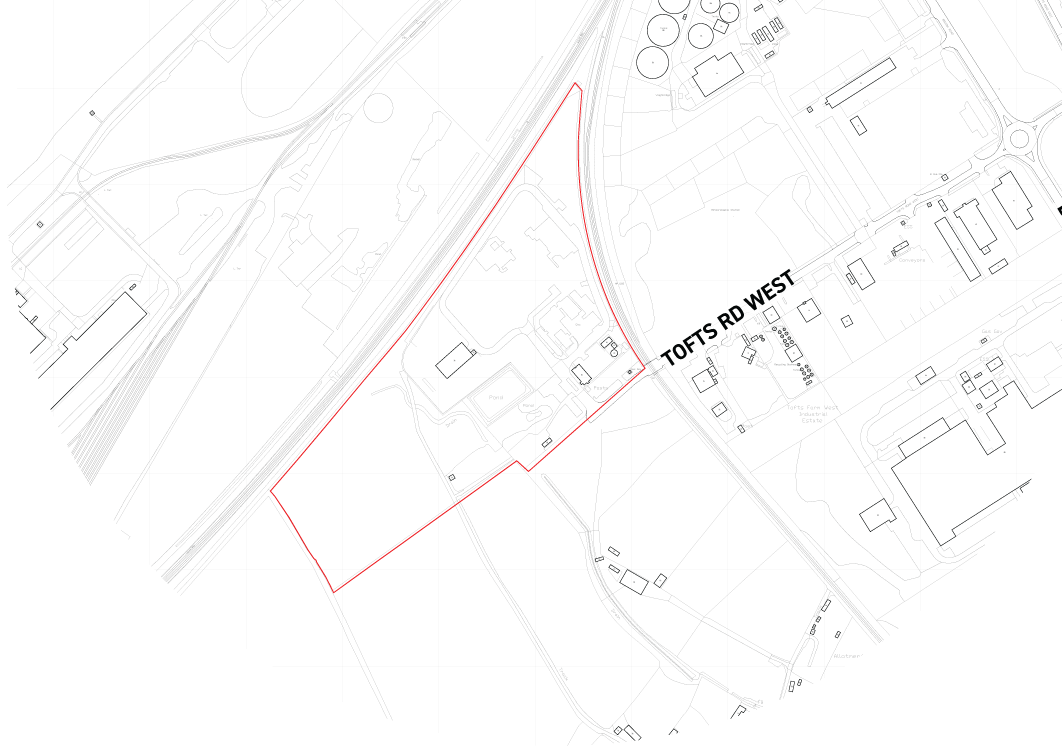
The site is located on Tofts Road West, within an established industrial area of North Graythorp. The eastern extent of the site comprises hardstanding and buildings, with the western extent comprising grassland and shrubs. The site, alongside the wider North Graythorp area, is allocated in the Hartlepool Local Plan for ‘specialist industries’.
WHAT IS PLANNED?
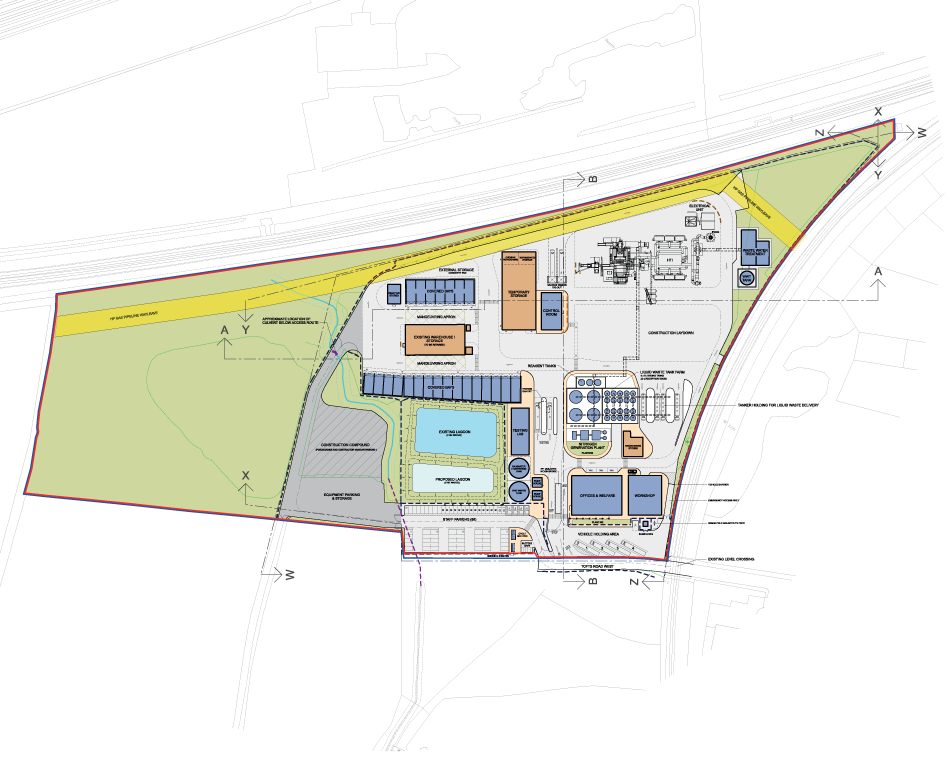
The facility will treat waste which is classed as hazardous from manufacturing, pharmaceutical facilities, engineering, maintenance and industrial cleaning. Waste will come primarily from the UK, and is likely to come from the North West and North East regions as the majority of hazardous waste for incineration produced in England comes from here.
HOW IT WORKS
Hazardous waste will be delivered to the site in sealed containers and unloaded inside a purpose-built reception building, before being fed into a high-temperature incinerator operating at between 1,100°C and 1,400°C. At these temperatures, the waste is fully destroyed.
The heat generated by this process is used to raise steam, which in turn drives a turbine to produce electricity for export to the local grid. Heat and steam could also be supplied directly to nearby industrial users.
Before being released through the stack, flue gases pass through a multi-stage cleaning system, and emissions are continuously monitored throughout the facility’s operation.
The facility has been designed as an energy recovery operation, generating electricity and heat from the treatment process.
THE BENEFITS